The second application window for Education Savings Accounts in Iowa starts on Oct. 15. Keep an eye on the state’s official ESA website for more information.
Frequently Asked Questions About Education Savings Accounts (ESAs)
The Iowa Catholic Conference estimates the state spent about $330 million on Education Savings Accounts during the 2025–26 school year—representing under 4% of total government spending on education. Public school districts collect around $1,600 for every student in a nonpublic school who receives an ESA. ESAs are restricted solely to tuition at accredited nonpublic schools or pre-approved educational expenses.
Why are Education Savings Accounts good for Iowa?
- Parental Choice: Parents hold primary responsibility for their children’s education. ESAs empower families to choose the best educational environment regardless of financial standing.
- Strengthening Communities: Catholic schools contribute significantly to the common good. Nonpublic education serves as an effective anti-poverty tool by combining high academic standards with moral foundation and character development.
- Academic Improvement: Robust school choice improves overall academic performance across both public and nonpublic sectors.
Why is an ESA program good for families?
- Direct Tuition Assistance: Families receive approximately $8,200 per student to assist with private tuition costs.
- Focus on Students First: While public schools remain the primary choice for most families, parents should have the freedom to select Catholic, private, charter, or home schooling.
- Church Teaching: The Second Vatican Council (Gravissimum Educationis, Sec. 6) affirms that parents have the primary right to educate their children and should enjoy true liberty in school selection, supported fairly by public subsidies.
How does the state prevent fraud in the ESA program?
- State Oversight: The Department of Education verifies child eligibility and conducts program audits.
- Closed System: ESA funds are never deposited into personal bank accounts. Transactions are managed entirely within a closed digital wallet platform.
- No Cash Refunds: Cash reimbursements are strictly prohibited. Any remaining funds after tuition is paid may only be spent on pre-approved items (such as textbooks, laptops, or tutoring) through vetted vendors.
How do ESAs impact public school funding?
- Retained Revenue: Public schools retain local property tax revenue and federal funding. Additionally, public districts receive approximately $1,600 per local ESA student, even if the student has never set foot in a public school.
- Proven Record: States implementing school choice have consistently increased instructional spending without experiencing drastic public school funding collapses.
Are public school funds being given to nonpublic schools?
- Per-Pupil Allocation: Under state law, funds are allocated per student rather than per institution. If a student enrolls in an accredited nonpublic school, funding follows the child through an Education Savings Account.
- Separate Funding Pools: Legislators treat public and private school appropriations in separate budgetary categories rather than a zero-sum game.
| Myths | Response |
| “Nonpublic schools don’t serve special needs students.” | Catholic schools serve a growing percentage of students with special needs. While ESAs may not cover full special education costs, increased funding allows nonpublic schools to accommodate more students. |
| “Nonpublic schools don’t follow the same rules.” | All Catholic schools in Iowa are state-accredited with licensed educators. Ultimate accountability rests with parents, who choose where their children learn best. |
| “School choice hurts academic outcomes.” | The majority of random assignment studies demonstrate improved academic performance over time, along with higher parent satisfaction and strong school culture. |
How to Get Involved?
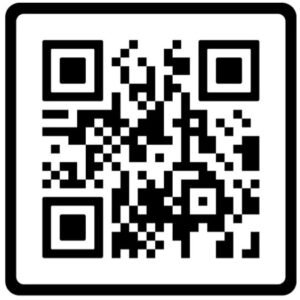
- Parents for Education Choice: Sign up to join the advocacy network using the QR code below.
- Legislative Action Network: Join the Iowa Catholic Conference legislative network to stay updated and directly contact state lawmakers.